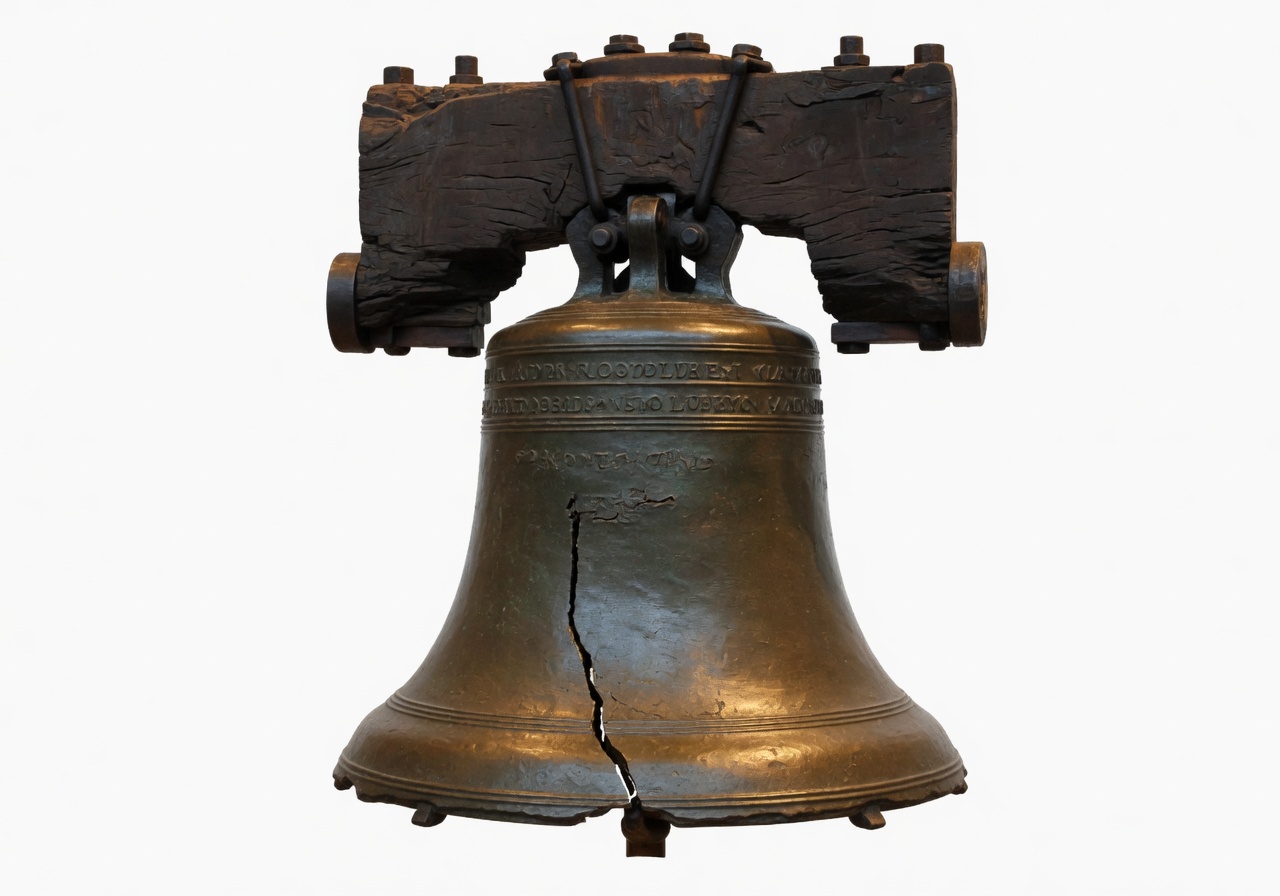
Germantown: Philadelphia's Historic Village, Where Every Block Tells a Story

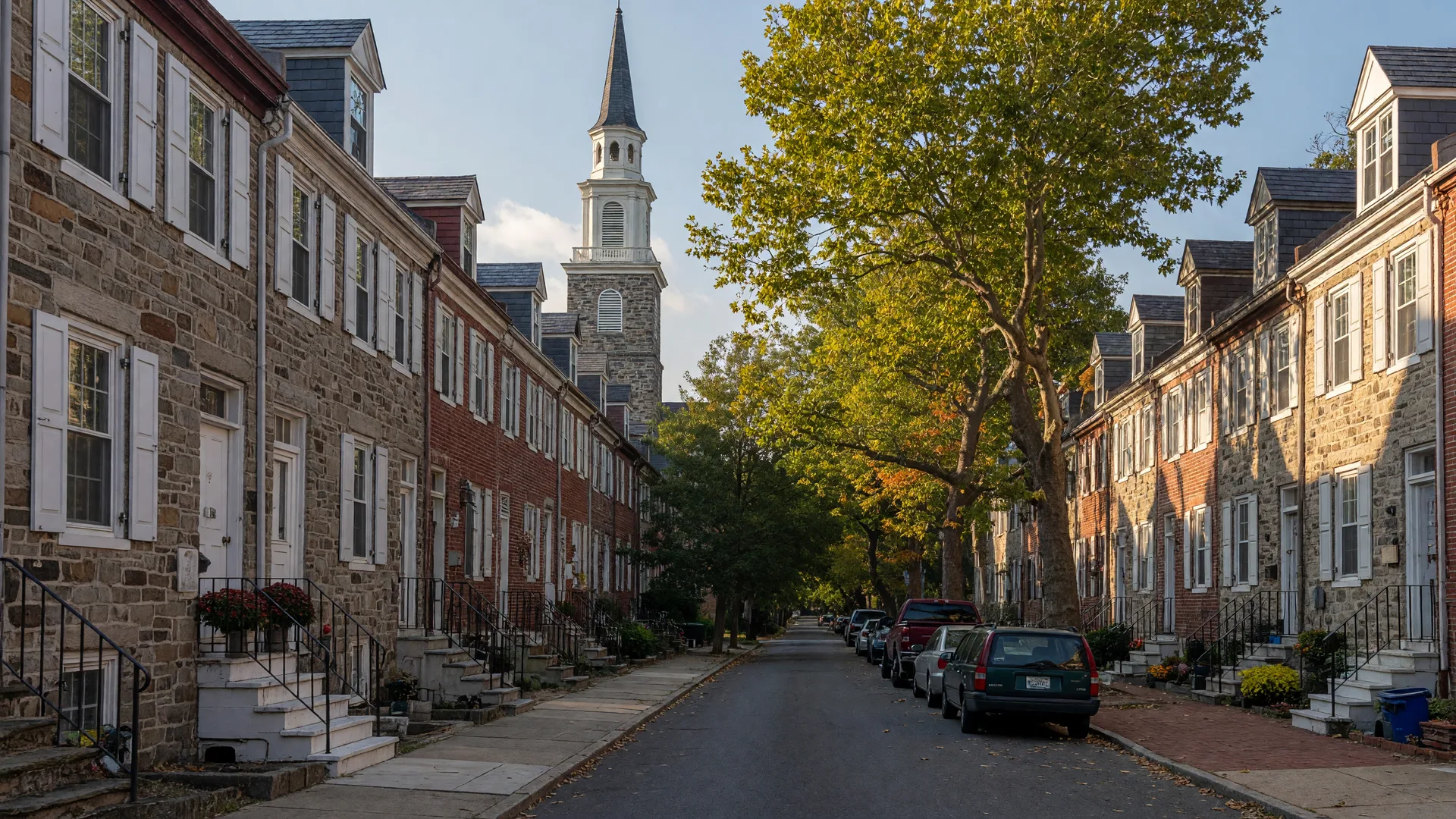
Germantown is Philadelphia's first village, founded in 1683, and its old high street still runs through a mile of colonial stone houses that many visitors never find. It is the part of the city where you can stand on a 1770s porch, shop a Saturday farmers market, and disappear into the woods of the Wissahickon all before dinner. Here is a local's guide to the history, the landmarks, and what daily life in Germantown feels like, with the full directory on our Philadelphia neighborhoods page.
Germantown Avenue: The Street That Built the Village
Everything in Germantown happens along the Avenue. What is now Germantown Avenue began as a Lenape path, and it still cuts across the city's street grid on a bold diagonal, running for miles from the edge of Center City up into the northwest hills. In Germantown itself, the Avenue is the spine: most of the neighborhood's oldest houses, churches, schools, and shops face it directly, and nearly every side street leads back to it.
That layout is the first thing to understand about living here. Germantown was a self-sufficient hill town long before Philadelphia swallowed it up, and the Avenue was its high street. The twisty, historic, wonderfully human scale of the side streets, many of them narrow lanes lined with stone houses, is the happy result of that old geometry. You get streets designed for horses and neighbors, not for speed, which is why they still feel so good on foot.
A Village Founded in 1683, Before Philadelphia Grew Around It
Germantown was founded in 1683 by German settlers led by Francis Daniel Pastorius, making it one of the oldest permanent European settlements in what is now Philadelphia. For generations it stayed a village of farmers, weavers, and printers apart from the busy port downtown, and several of its earliest buildings are still standing and still in use today. When the Revolutionary War arrived, the Battle of Germantown was fought in these fields on October 4, 1777, and a few of the houses you will pass still carry the story of that morning. Visit Philadelphia keeps a good guide to the neighborhood if you want the full picture before you visit.
A Mile of Museums on One Street
The singular quality of Germantown, the thing no other Philadelphia neighborhood can claim, is the density of its genuine house museums along one street. Start at Cliveden, the stone mansion built in the 1760s for Benjamin Chew, which anchors the annual Germantown Houses and Gardens tour and sits at the center of the 1777 battlefield. A few blocks north, the Deshler-Morris House is where George Washington conducted presidential business during the yellow fever outbreak of 1793 and where John Adams later stayed, which is why locals call it the Germantown White House.
Keep walking and the string continues: Grumblethorpe and Wyck House, beautifully preserved 1700s homes; the John Johnson House, Philadelphia's only intact, publicly accessible Underground Railroad station; Loudoun Mansion, perched above rolling parkland; and Vernon House, home of the Black Writers Museum. The Ebenezer Maxwell Mansion adds a Victorian chapter a few blocks up the Avenue. You could easily spend a full weekend just walking from door to door, and most of the doors sit within a short walk of one another.
Everyday Germantown: Markets, Coffee Shops, and Weekend Spots
For all its history, Germantown is a working, everyday neighborhood. The Germantown Farmers Market sets up Saturdays near the village center, and neighbors load up on produce, baked goods, and breakfast sandwiches within sight of the historic houses. For daily groceries, a food co-op on Chelten Avenue opened a few years ago and gave the neighborhood a full grocery store you can walk to, a genuine quality of life upgrade. Uncle Bobbie's Coffee & Books on the Avenue is one of the best independent bookshops in the city, and it pulls a dependable line of coffee lovers all week long.
The food map rewards repeat visits. Along the Avenue you will find a long-running barbecue joint, a quick-serve cafe on Chelten Avenue, and smaller bakeries and cafes tucked onto Greene Street and the small walking mall near the historic core, where neighbors linger over cupcakes and espresso. You will not mistake the strip for Center City, and that is the point: Germantown is a neighborhood where people know their vendors by first name.
The Green Side: Market Square, Awbury, and the Wissahickon
Two kinds of green balance the stone and brick. Market Square and Vernon Park, the small parks at the heart of the old village, are where community life has gathered for fairs, markets, and holiday lights for centuries. A little farther east, Awbury Park and the Awbury Arboretum spread out acres of meadow, forest, and old stone houses, an easy refuge that surprises anyone who has only seen the Avenue.
Then there is the Wissahickon, the great green valley along Germantown's western edge. Just a few blocks from the oldest houses in the city sit the entrances to miles of wooded trails and creekside paths, the closest thing Philadelphia has to a weekend escape upstate right inside the city line. Hikers, runners, and cyclists use it year round, and it makes the neighborhood feel twice its size. For more, see our guide to Philadelphia's best parks and outdoor spaces, and the East Falls guide for the other side of the creek.
Getting Around and What Living Here Looks Like
SEPTA serves the area well. Buses run north and south along Germantown Avenue from Center City, and the Chestnut Hill regional rail lines stop near the village, so a commute to Center City or University City by train or bus is realistic without a car. Once you are home, the neighborhood is fully walkable along its own avenues, and the old scale of the streets is one of the reasons so many residents stay for decades.
On the real estate side, I will not quote a median that changes every month, but the honest summary is this: the housing stock is old and distinctive, with 1700s stone houses, brick row houses, and Victorian frames, and the lots get bigger as you walk away from the Avenue toward the park edges. Buyers here tend to love having genuine character instead of a copycat floor plan. If you are scouting the whole region, our Moving to Philadelphia guide pairs well with the neighborhood directory.
Thinking of Calling This Historic Village Home?
I have shown homes all over Philadelphia for over 26 years, and Germantown is one of the neighborhoods I always enjoy going back to, because every street tells a story and neighbors still sit on porches. If you are curious about what a historic property is genuinely worth right now, or where the quiet blocks are, I would honestly love to walk them with you.
Where to Go from Here
Germantown pairs beautifully with its northern neighbors. Read the Mt Airy guide and the Chestnut Hill guide to see the whole Northwest story, then compare every corner of the city on the neighborhood directory. Our blog adds new guides each week, so start with a walk, then a conversation. That has always been the way to get to know Germantown.
With 26 years of experience in Philadelphia real estate, I help buyers and sellers navigate the city's neighborhoods with honest, local expertise. Licensed in PA (RS349905) and NJ (1969348).
Schedule a Consultation