Chestnut Hill: Philadelphia's Garden District

There's a running joke among Philadelphians: Chestnut Hill isn't really part of the city. It feels like a village that happens to sit inside Philadelphia's city limits, complete with cobblestone stretches, an independent business district, and enough old-growth trees to make you forget you're 25 minutes from Center City by train. But that's exactly what makes it one of the most compelling places to live in the entire metro area.
A Brief History
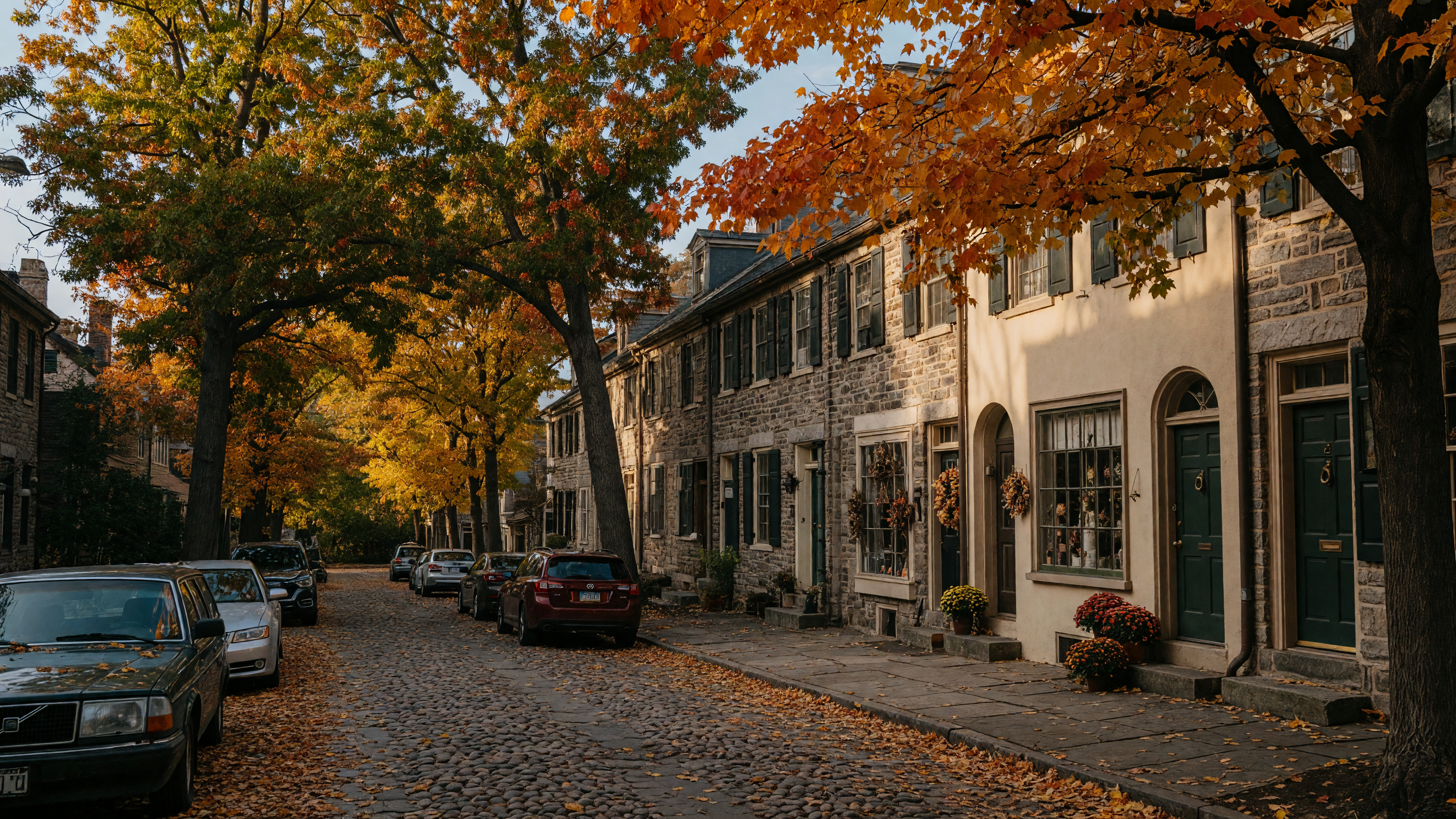
Chestnut Hill earned its name from the chestnut trees that once lined the slopes leading up from the Wissahickon Creek. In the late 1800s, wealthy Philadelphia families built grand stone summer homes here to escape the heat and smog of the city below. The arrival of the Chestnut Hill Railroad in 1854 turned the area from a seasonal retreat into a year-round neighborhood, and the distinctive stone architecture that defines the area today dates from that era of expansion.
In 1985, the neighborhood was designated a National Historic District, recognizing the concentration of Victorian and Colonial Revival stone buildings that line Germantown Avenue. That designation has helped preserve the neighborhood's character even as development pressures have changed other parts of the city. Walking Germantown Avenue today, you're passing buildings that have stood for 130 years, housing independent shops and restaurants instead of the summer estates they were originally built for.
What Makes It Special
The easiest way to describe Chestnut Hill is to call it "Philadelphia's Garden District" — a nickname the neighborhood itself leans into. The greenery is not decorative; it's structural. Mature oaks, tulip poplars, and towering hemlocks line almost every residential street. The Wissahickon Gorge and Cresheim Valley form the neighborhood's western and southern boundaries, meaning that miles of Fairmount Park trails are essentially your backyard.
The neighborhood sits at the northwestern edge of Philadelphia, bordered by Mt. Airy to the east and Montgomery County to the north. Despite its city location, the pace of life is noticeably slower. Locals walk dogs along cobblestone lanes, stop for coffee on Germantown Avenue, and spend Saturday mornings at the Morris Arboretum — a 92-acre botanical garden run by the University of Pennsylvania that features rare plant collections, a canopy walk, and one of the most beautiful landscapes in the region.
The Germantown Avenue Strip
Germantown Avenue is the spine of Chestnut Hill, and it's one of the best independent business corridors in Philadelphia. Unlike many neighborhoods where the main street has been hollowed out by chain stores, Chestnut Hill's Avenue has held onto its character. You'll find locally owned boutiques, specialty food shops, a bookstore, and some genuinely good restaurants — all within a walkable stretch that feels like a small-town main street.
Chestnut Hill Brewing Company anchors the casual dining scene, pouring house-brewed beers in a relaxed taproom setting. Chestnut Grill & Sidewalk Café, located inside the Chestnut Hill Hotel, offers Mediterranean-inspired dishes in a space that dates back to the 1890s. For something more intimate, Adelina's serves refined Italian cuisine that's drawn a loyal local following.
The shops along the Avenue are worth noting too. This is the kind of neighborhood where the hardware store, the florist, and the independent gift shop are all locally owned and have been there for decades. Chestnut Hill's business district holds seasonal events — outdoor art walks, holiday strolling nights, and a summer farmers' market — that keep the Avenue lively year-round.
Outdoor Living
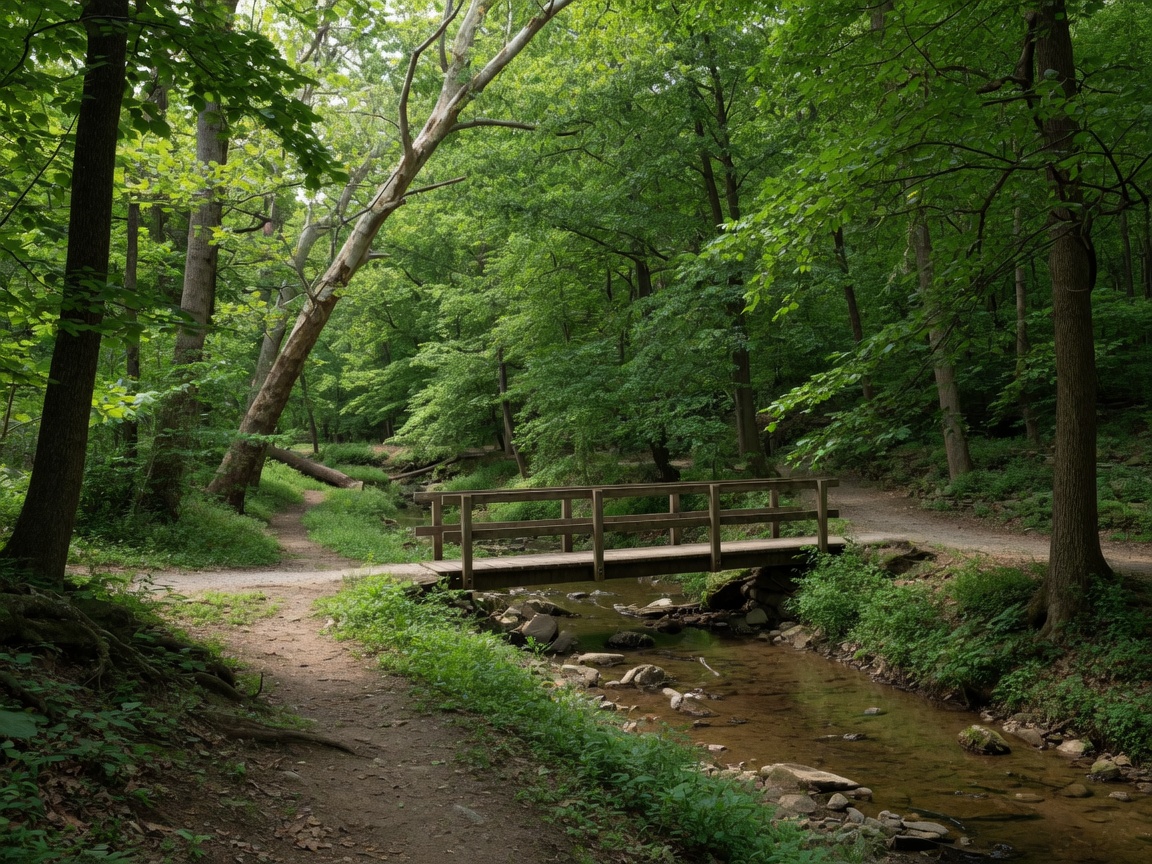
If you're someone who wants genuine access to nature without leaving the city, Chestnut Hill might be the best neighborhood in Philadelphia for you. The Wissahickon Valley Park offers over 1,800 acres of forested trails, creeks, and wildlife — and the trailheads are a short walk or bike ride from most homes in the neighborhood. You can run, hike, mountain bike, or ride horseback through some of the most pristine urban forest in the country.
The Morris Arboretum adds another 92 acres of curated botanical gardens, including the popular Out on a Limb canopy walk, which puts you 50 feet above the forest floor. The Woodmere Art Museum, housed in a Victorian stone mansion, exhibits works by Philadelphia-area artists and offers sculpture trails through its grounds.
For families, the neighborhood's relationship with green space is a major draw. Kids grow up with the Wissahickon as a playground, not a destination you have to drive to on weekends.
What It Costs to Live Here
Chestnut Hill is one of Philadelphia's most expensive neighborhoods — there's no way around that. As of mid-2026, median home sale prices hover between $925,000 and $1.3 million, with larger stone homes and properties near the Arboretum regularly listing above $1.5 million. The housing stock is predominantly single-family stone homes, many of them dating to the late 19th and early 20th centuries, though there are some twin homes and townhouses at lower price points.
The trade-off is what you get for that price: a walkable village atmosphere, immediate access to one of the country's largest urban park systems, low crime rates, and a community that genuinely cares about maintaining the neighborhood's character. For buyers who prioritize space, nature, and quality of life over the buzz of Center City, Chestnut Hill offers a lifestyle that's hard to replicate elsewhere in Philadelphia.
Schools and Family Life
Families considering Chestnut Hill have several strong options. Springside Chestnut Hill Academy (SCH) is one of the most respected private schools in the Philadelphia area, serving students from pre-K through 12th grade on a campus that sits right in the neighborhood. Norwood-Fontbonne Academy is another well-regarded private option for elementary and middle school students. The public school serving the area is J.S. Jenks Elementary, which has a loyal following among local families.
Beyond academics, the neighborhood is designed for family life in subtle ways. The streets are quiet and tree-lined. The Avenue has a candy shop, ice cream spots, and family-friendly restaurants. The trails give kids room to run. And the community events — from the farmers' market to seasonal festivals — create the kind of social fabric that makes a neighborhood feel like home.
Getting Around
Chestnut Hill is served by two SEPTA Regional Rail stations: Chestnut Hill East and Chestnut Hill West. Both provide direct commuter rail service to Center City, with typical commute times of 30 to 40 minutes depending on the line and time of day. The walk from most residential streets to either station is manageable, and the Route 9 bus provides additional transit connections along Germantown Avenue.
By car, Chestnut Hill sits at the intersection of Philadelphia and Montgomery County, giving residents easy access to Route 309, the Pennsylvania Turnpike, and the suburban amenities of Flourtown, Oreland, and Ambler. The neighborhood's Walk Score ranges from about 65 to 91 depending on your exact location — properties along Germantown Avenue rate as a "Walker's Paradise," while homes closer to the park edges are more car-dependent for errands but benefit from the immediate trail access.
For cyclists, the Wissahickon trail system connects to the larger East Coast Greenway network, making Chestnut Hill a genuine base for bike commuting and recreation.
Who Thrives in Chestnut Hill?
Chestnut Hill tends to attract buyers who have outgrown the downtown apartment lifestyle and want something quieter without leaving the city entirely. Families who prioritize outdoor access and strong school options. Professionals who commute to Center City but want to come home to trees and silence. Retirees who want walkability, cultural institutions, and a community that looks out for its own.
What you won't find here is the nightlife energy of Fishtown or the density of Center City. The neighborhood shuts down early by Philadelphia standards, and the restaurant scene, while genuinely good, is smaller than what you'd find in Rittenhouse or South Philly. But for the people who live here, that's the point. Chestnut Hill is a neighborhood for people who want their life to feel settled, green, and rooted — and who value the kind of community where neighbors actually know each other.
Is Chestnut Hill Right for You?
If you're thinking about buying in Chestnut Hill, the most important thing to understand is that you're investing in a lifestyle as much as a property. The homes are beautiful, the location is convenient, and the community is genuinely strong — but the price point reflects all of that. It helps to have a clear picture of what you're looking for and a realistic budget before you start touring homes.
I've helped buyers find their way into Chestnut Hill for years, and the ones who love it most are the ones who went in with clear eyes and fell in love with the neighborhood on a walk down Germantown Avenue. There's something about this place that shows you what it's offering — you just have to show up and see it.
Thinking about buying or selling in Chestnut Hill?
Whether you're exploring Chestnut Hill as a potential home or you're a current homeowner curious about your property's value, I'd love to help. With 26 years of experience in the Philadelphia market, I can give you the honest, local perspective you need to make a confident decision.
With 26 years of experience in Philadelphia real estate, I help buyers and sellers navigate the city's neighborhoods with honest, local expertise. Licensed in PA (RS349905) and NJ (1969348).
Schedule a Consultation