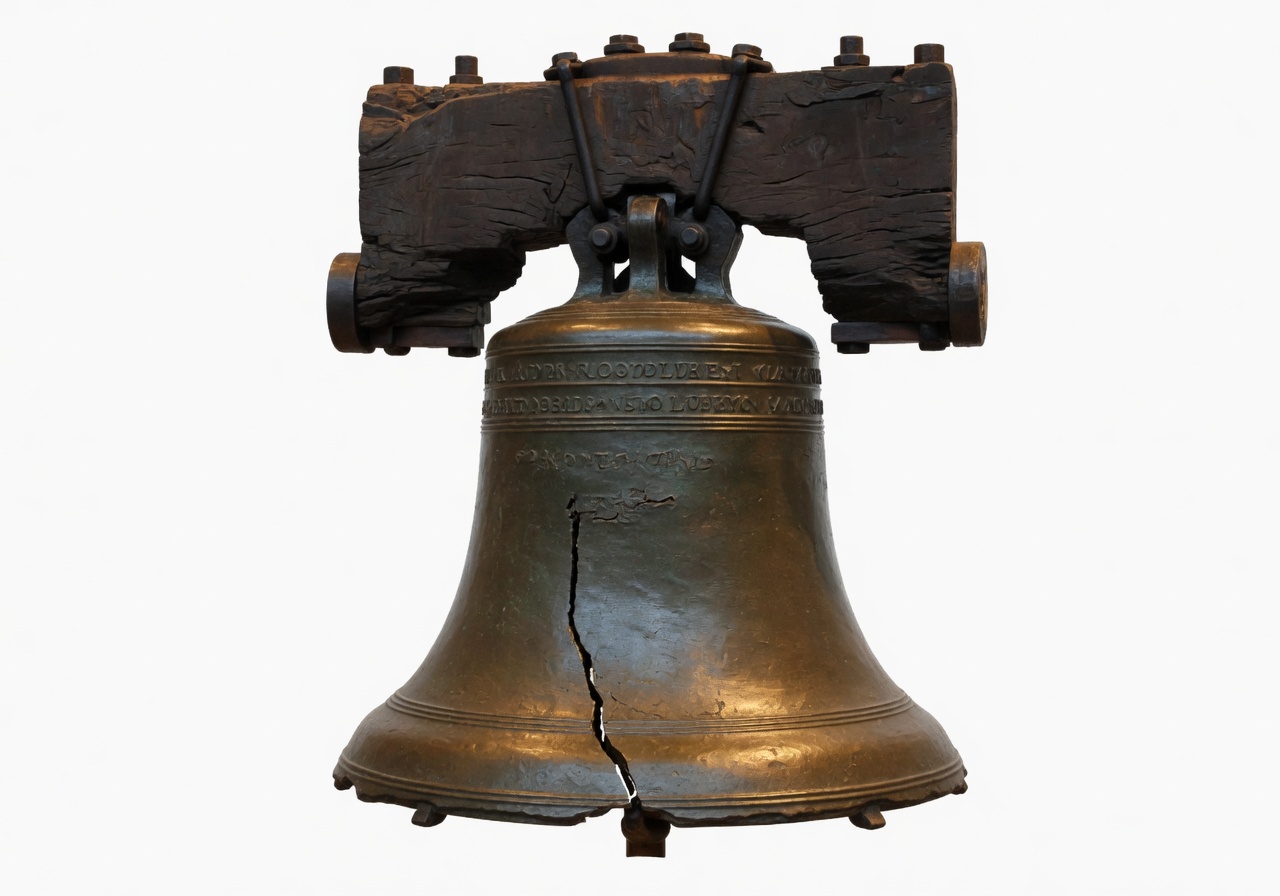
Old City: Where American History Meets Modern Philadelphia Living
There's a stretch of cobblestones in Old City, Philadelphia, where you can stand on a street that's been continuously inhabited for over 300 years and look up at a gallery showcasing cutting-edge contemporary art. That juxtaposition — the old and the new, the historic and the happening — is what makes Old City unlike any other neighborhood in Philadelphia. It's where the Declaration of Independence was signed, where Benjamin Franklin ran a print shop, and where, today, some of the city's best restaurants, art galleries, and loft apartments exist inside buildings that predate the nation itself. If you're considering a move to Old City, or if you're just curious about what makes it tick, this is the honest picture.
What Makes Old City Different From Every Other Philly Neighborhood?
Most Philadelphia neighborhoods tell one story. Old City tells several at once. Walk ten blocks from the Delaware River waterfront and you'll pass through colonial-era lanes, past a 300-year-old church, through a thriving gallery district, alongside James Beard-recognized restaurants, and into a residential community that includes roughly 8,000 people who call this neighborhood home full-time. The Walk Score of 99 puts it in the same rarefied air as Rittenhouse Square — errands, dining, culture, and daily life all happen on foot.
But what sets Old City apart is the cultural density. This neighborhood has more than 30 independent art galleries concentrated along 2nd and 3rd Streets, making it the largest gallery district on the East Coast. It hosts First Friday — a monthly art walk that has drawn Philadelphians and visitors since the early 1990s — and it sits at the center of one of the most significant historic districts in the world. Independence Hall, the Liberty Bell Center, and the Betsy Ross House are all within a 10-minute walk of each other. That combination of living history and contemporary creative energy is genuinely unique.
A Brief History: From Colonial Port to Modern Destination
Old City is, quite literally, where Philadelphia — and the United States — began. William Penn established his "Holy Experiment" here in 1682, and the neighborhood quickly became the commercial and political heart of the colony. Independence Hall, built in 1753, hosted the Continental Congress and the Constitutional Convention. The Liberty Bell, Christ Church, and Carpenters' Hall all sit within blocks of each other, forming what the National Park Service calls "America's most historic square mile."
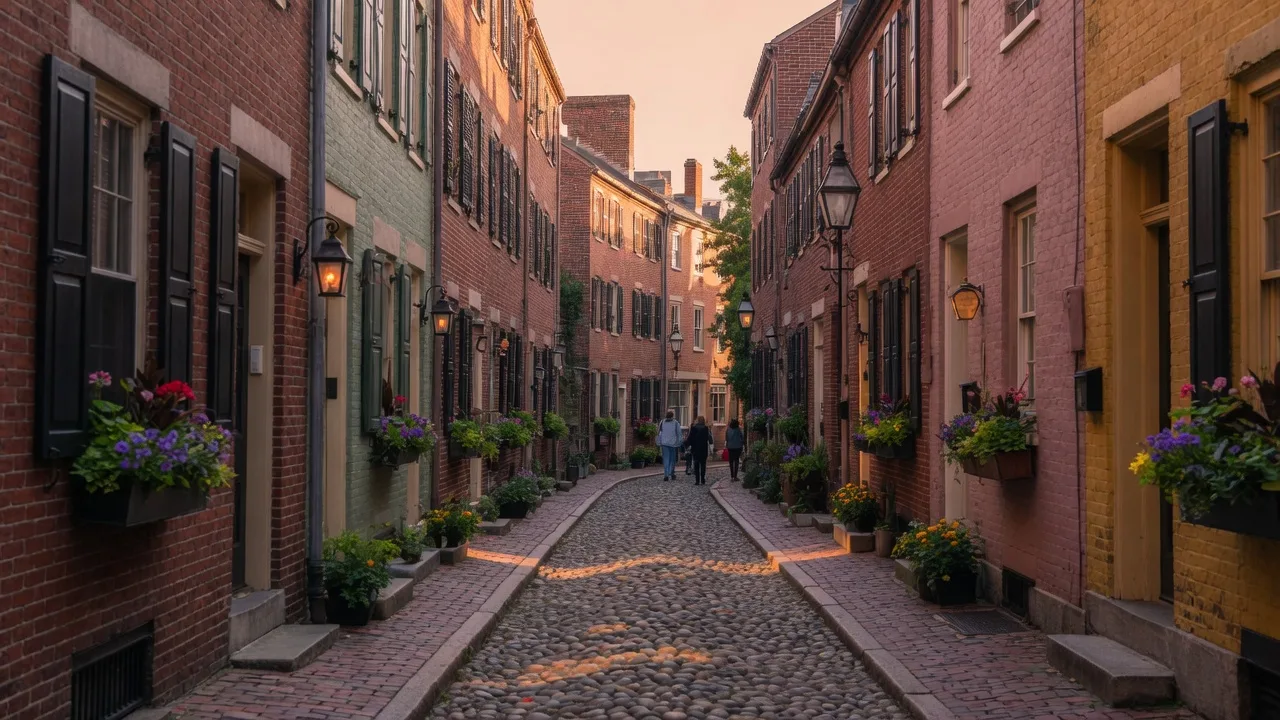
The neighborhood's name is relatively recent. Through the 19th and early 20th centuries, this area was simply part of the broader waterfront district, filled with merchants, artisans, and working families. Elfreth's Alley, the narrow lane running between Front and 2nd Streets, has been continuously inhabited since 1702 — making it the oldest residential street in America. The 32 brick houses that line the alley, most built between 1728 and 1836, are now a National Historic Landmark, and they give you a visceral sense of what daily life looked like in colonial Philadelphia.
The modern transformation of Old City began in the 1970s and 1980s, when artists and gallery owners discovered the neighborhood's large, affordable warehouse and industrial spaces. They converted lofts and storefronts into studios, galleries, and performance spaces, establishing the creative identity that defines the neighborhood today. By the 2000s, the restaurant scene had followed, and Old City evolved from a gallery district into a fully rounded neighborhood where people live, work, eat, and create — not just visit.
The Dining Scene: From Colonial Taverns to James Beard Tables
Old City's dining scene is one of the most polished in Philadelphia, with a range that runs from historic taverns serving classic American fare to internationally recognized restaurants pushing culinary boundaries. The concentration of quality along Market Street, 2nd Street, and Chestnut Street means you can eat exceptionally well without venturing more than a few blocks from your front door.
Fork on Market Street is the neighborhood's flagship restaurant and one of the most important dining establishments in Philadelphia. Opened in 1997, Fork helped catalyze Old City's transformation from gallery district to dining destination. The farm-to-table menu changes seasonally, and the restaurant has earned consistent recognition from the James Beard Foundation and national food media. It's the kind of place where the tasting menu feels like an event but never feels pretentious.
Red Owl Tavern, right across from Independence Hall on Chestnut Street, takes full advantage of its historic setting. The menu leans American and mid-Atlantic, with a bar program that favors craft cocktails and local beers. Sitting on the patio with the National Constitution Center behind you is one of the more atmospheric dining experiences in the city — and the food holds up on its own merits.
For something more casual, Race Street Cafe on Race Street has built a loyal neighborhood following with its seasonal menu, excellent wine list, and a patio that's one of the best-kept secrets in Old City. Royal Boucherie on 2nd Street brings a French brasserie sensibility to the neighborhood, with charcuterie boards, steak frites, and a well-curated cocktail program. And Sassafras on 2nd Street is a cocktail-forward spot that feels like it was designed for exactly this neighborhood — intimate, thoughtfully executed, and easy to fall into.
Han Dynasty on Chestnut Street is the neighborhood's go-to for serious Sichuan cooking — the dry pot is a cult favorite, and the spice levels are no joke. And for dessert, Franklin Fountain on Market Street serves old-fashioned ice cream sundaes in a restored 1920s soda fountain that feels like stepping back in time — appropriately enough for this neighborhood.
Coffee Culture and Daytime Rituals
Old City Coffee on Church Street is the neighborhood's anchor — a no-nonsense, seriously good coffee shop that's been serving the area for years. The beans are roasted in-house, the baristas know their craft, and the space attracts a mix of remote workers, gallery owners, and residents who treat it as a second living room. It's the kind of place where you can linger without anyone giving you a look.
Menagerie Coffee on 3rd Street offers a slightly more polished café experience, with specialty drinks and a bright interior that draws the young professional crowd. Café Tolia on 3rd Street is a newer addition that's carved out a niche with its European-style espresso and pastries. Between these spots, Old City has a coffee culture that rivals neighborhoods twice its size.
Art, Galleries, and First Friday
If you want to understand what makes Old City feel alive — beyond the restaurants and the history — start with the galleries. The stretch of 2nd and 3rd Streets between Vine and Lombard contains more than 30 independent art spaces, ranging from small storefront galleries to established institutions. Locks Gallery on Washington Square showcases contemporary painting, sculpture, and photography. Paradigm Gallery + Studio on 3rd Street features emerging and mid-career artists. Muse Gallery on 2nd Street has been a fixture of the Philadelphia art community for decades. And Arch Enemy Arts on Arch Street brings a more alternative, illustration-forward sensibility to the mix.
First Friday is the event that brings all of this together. On the first Friday of every month (October through June), galleries across the neighborhood open their doors for free evening receptions, drawing hundreds of art lovers, collectors, and curious residents through the streets. It's been a Philadelphia tradition since the early 1990s, and it remains one of the best ways to experience Old City's creative identity — and to see the neighborhood at its most social and alive. The streets fill with people, the galleries pour wine, and the energy is genuinely electric.
Beyond the galleries, Old City's cultural infrastructure includes the Museum of the American Revolution, which opened in 2017 on 3rd Street and has quickly become one of the most visited museums in the city. The National Constitution Center on Independence Mall offers interactive exhibits on the Constitution and American democracy. And the Liberty Bell Center, Independence Hall, and the Betsy Ross House are all within walking distance — making your neighborhood a UNESCO-level cultural destination by default.
The Waterfront: Race Street Pier and Cherry Street Pier
Old City's eastern edge meets the Delaware River, and the waterfront has undergone its own transformation over the past decade. Race Street Pier, a modern cantilevered park extending over the river, has become one of the most photographed spots in the neighborhood — a sleek, minimalist green space with skyline views and direct access to the Delaware River Trail. It's a place where residents come for morning coffee, lunch breaks, and sunset walks.
Cherry Street Pier, a converted municipal garage on the Delaware waterfront, functions as an indoor/outdoor marketplace and public gathering space. Local artisans sell handmade goods, food vendors operate from shipping containers, and the large open-air market hall hosts events and pop-ups throughout the year. During warmer months, the pier extends into a waterfront experience with food, drinks, and live music that draws people from across the city.
And then there's The Bourse Food Hall on Market Street — Philadelphia's original food hall, built in 1895 and restored as a modern dining destination with a curated mix of local food vendors, specialty shops, and a communal seating area. The Bourse bridges Old City's historic identity and its contemporary food culture in a single, beautiful space.
Walk Score 99: What Daily Life Actually Looks Like
A Walk Score of 99 means you can do virtually everything on foot. Grocery shopping is handled by several options within the neighborhood, including Reading Terminal Market — arguably the best public market in America — which sits just on Old City's western edge at 12th and Arch. Reading Terminal is a 10-minute walk from most Old City addresses, and it's a destination in itself: over 80 vendors selling fresh produce, Amish baked goods, artisanal cheese, craft beer, and prepared foods from around the world. It's not just a grocery run — it's an experience that Old City residents get to have as part of their daily routine.
Beyond the market, SEPTA's transit network connects Old City to the rest of Philadelphia efficiently. The Market-Frankford Line (the "El") runs directly along Market Street with stops at 2nd Street, serving as a direct connection to Center City, University City, and the Northeast. Multiple bus routes run along Market, Chestnut, and Vine Streets. 30th Street Station — Amtrak's main Philadelphia hub — is a 10-minute drive or a quick El ride away, giving Old City residents easy access to New York, Washington, DC, and beyond.
For cyclists, the Delaware River Trail runs along the waterfront, providing a car-free path north toward Penn Treaty Park and the Spring Garden neighborhoods, and south toward Pennsport and the Navy City Connector. The neighborhood's flat terrain and compact grid make biking a practical daily transportation option, not just recreation.
Housing and Real Estate: What You'll Find Here
Old City's housing stock is distinctive and varied. You'll find three main categories: historic townhomes — beautifully restored colonial and Federal-style residences, some dating to the 18th century; converted loft apartments — modern living spaces inside former warehouses and industrial buildings, with the high ceilings and open floor plans that make loft living attractive; and new construction condos — contemporary developments that have added inventory to the neighborhood over the past decade.
As of mid-2026, the median home sale price in Old City sits around $368,000 to $422,000, depending on the source and property type. That's notably competitive for a neighborhood with a Walk Score of 99 and this level of cultural amenities. Condos and loft apartments tend to start in the $300K range, while renovated townhomes and premium units can reach well above $1 million. The diversity of housing stock means Old City can work for a wider range of budgets than some of the other Center City-adjacent neighborhoods.
The buyer profile in Old City tends toward young professionals, empty nesters, and people who work in creative industries. The neighborhood's art gallery culture, walkable lifestyle, and proximity to Center City make it particularly attractive to buyers who want urban living with character — not a generic apartment in a glass tower. The loft apartments, in particular, appeal to buyers who want the open floor plans and industrial aesthetic that only a converted warehouse can provide.
New construction has been moderate compared to some Philadelphia neighborhoods, largely because the historic district overlay limits what can be built and where. That constraint, paradoxically, is one of Old City's strengths: the neighborhood maintains its historic character and human scale because the development pace has been measured. For homeowners, that tends to support long-term value stability.
Parks and Outdoor Spaces
Old City is well-served by public green spaces despite its dense, urban character. Washington Square, one of William Penn's original five public squares, sits at the neighborhood's southern edge and offers a quiet, tree-shaded respite from the surrounding streets. The square includes the Tomb of the Unknown Soldier of the American Revolution and serves as a natural gathering spot for residents.
Independence Mall, the three-block open space extending from Market Street to Chestnut Street between 5th and 6th Streets, functions as both a historic landmark and a public park. It's not traditional green space — it's more of a landscaped promenade — but it provides breathing room and a sense of openness that's essential in a dense neighborhood.
The Delaware River waterfront is Old City's backyard. The River Trail, Race Street Pier, and Cherry Street Pier create a network of waterfront public spaces that give residents direct access to the river, skyline views, and miles of car-free paths for walking, running, and cycling. During the warmer months, the waterfront becomes an event space — outdoor movies, festivals, and seasonal activities draw people from across the city to Old City's eastern edge.
Community and Daily Life
One of the things people don't expect about Old City is how residential it actually feels once you get past the gallery-and-restaurant corridors. The side streets between 2nd and 3rd, particularly around Arch, Race, and Vine, are quiet and residential — tree-lined blocks with well-maintained townhomes and a genuine neighborhood atmosphere. The Old City District maintains the streetscape, organizes seasonal events, and keeps the commercial corridors active and clean.
The community has a strong sense of identity. People who live in Old City tend to be proud of the neighborhood's history and protective of its character. The Independence Hall Association, which manages the outhistory.org website and advocates for the historic district, is rooted in Old City, and local civic organizations keep residents connected to neighborhood issues and events.
The population is a mix — young professionals in the lofts, empty nesters in the restored townhomes, and a significant number of people who work in the arts, media, and creative industries. It's a neighborhood that attracts people who value culture and walkability over suburban amenities, and that shared set of priorities creates a natural community even in a neighborhood as dense and diverse as this one.
Who Is Old City Best For?
Old City works best for buyers who want to live inside the story — who value historic character, cultural density, and a Walk Score that makes a car genuinely optional. It's ideal for young professionals who work in Center City or remotely and want a neighborhood that feels like a destination without the Rittenhouse Square price tag. Empty nesters who want walkable urban living in a beautiful setting are drawn here, as are people in creative fields who appreciate being embedded in a gallery district.
What you won't find in Old City is a suburban-style backyard, a quiet cul-de-sac, or a large green lawn for the dog. The housing is primarily rowhouses, lofts, and condos — not single-family homes with yards. The green spaces are public and shared, not private. And the neighborhood's historic character means that parking can be tight and modern conveniences sometimes take a backseat to preservation.
Families with young children can make Old City work — the proximity to Reading Terminal Market, the Delaware River waterfront, and Center City's cultural institutions (the Franklin Institute, the Please Touch Museum, the Academy of Natural Sciences) makes it surprisingly family-friendly for a dense urban neighborhood. But families who prioritize school quality and outdoor space may want to compare with neighborhoods like Fairmount or Chestnut Hill, where those amenities are more readily available.
The Bottom Line
Old City is one of the most distinctive neighborhoods in Philadelphia — possibly in the country. It's the only place I know where you can walk past a 300-year-old alley, grab a world-class dinner, visit a contemporary art gallery, and end the night with ice cream in a restored 1920s soda fountain, all within a 10-minute walk. The Walk Score of 99 is real. The dining scene is real. The community is real. And for buyers who want to live somewhere with genuine depth — where the streets have stories and the restaurants earn their reputation — Old City delivers something that no new development can manufacture.
The prices remain competitive for what you're getting, particularly compared to Rittenhouse Square and some of the newer developments in Center City. And the neighborhood's historic protections mean that the character you're buying into today is likely to be preserved for decades to come — that's not a guarantee you get in every Philadelphia neighborhood.
Thinking about Old City?
Whether you're drawn to the history, the galleries, or the walkable lifestyle, I'd love to help you find the right fit in Old City. With 26 years of experience in the Philadelphia market, I can walk you through current inventory, pricing, and what it actually takes to buy in this neighborhood — no pressure, just honest local expertise.
With 26 years of experience in Philadelphia real estate, I help buyers and sellers navigate the city's neighborhoods with honest, local expertise. Licensed in PA (RS349905) and NJ (1969348).
Schedule a Consultation