Fairmount: Philadelphia's Art Museum Neighborhood
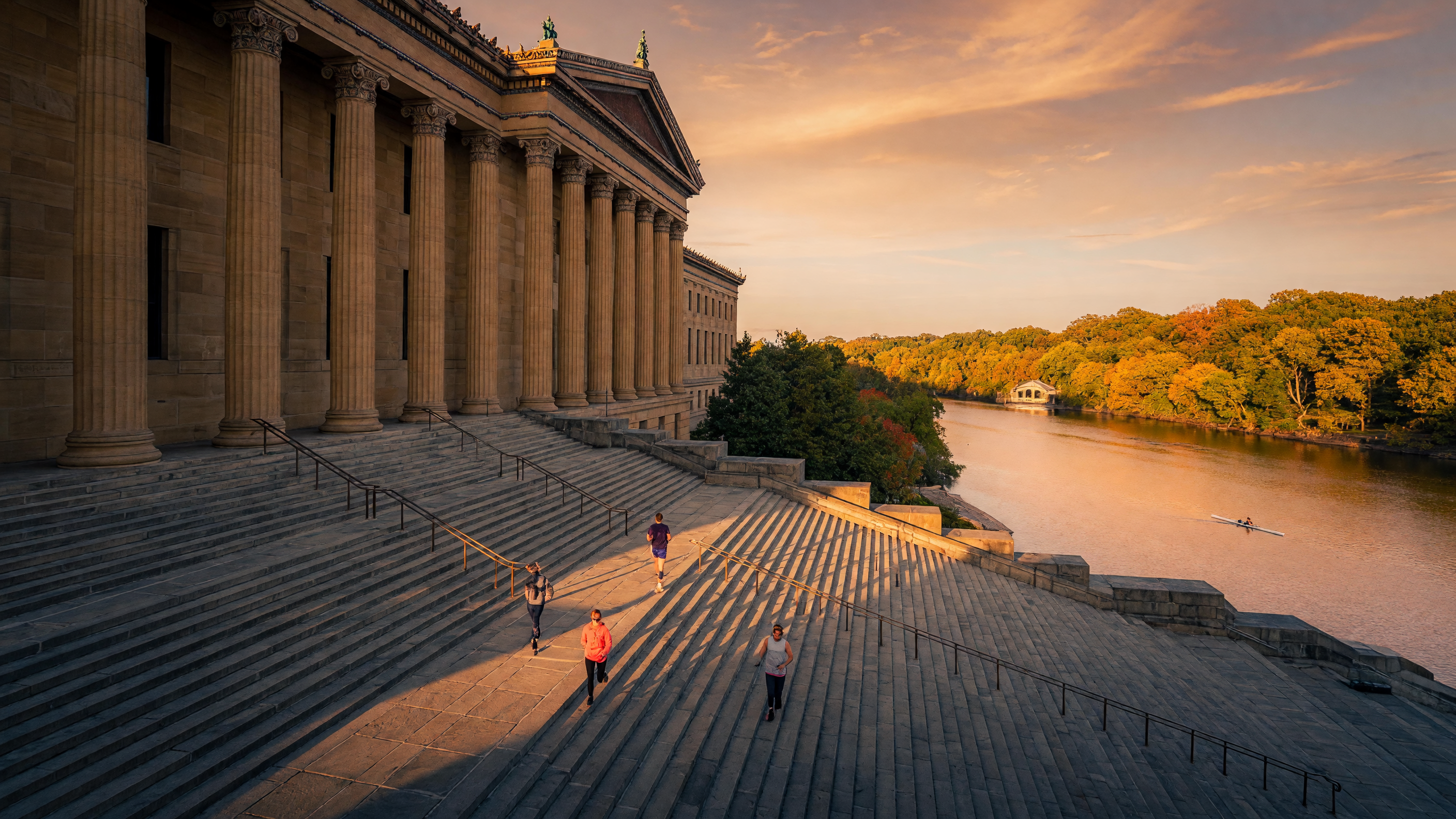
There's a particular feeling you get when you round the corner at 22nd and the Parkway opens up in front of you — the Art Museum's neoclassical columns catching the light, the tree line of Fairmount Park stretching behind it, and the Schuylkill River glinting in the distance. That feeling is what makes Fairmount special. It's a neighborhood that lives at the intersection of world-class culture and genuinely livable city life, and it does it without pretension. If you're looking for a place where your backyard is the largest urban park in America and your walk to the grocery store takes you past a museum that belongs on a postcard, Fairmount might be exactly what you're after.
Where Fairmount Fits in Philadelphia
Fairmount sits on the western edge of Center City, bordered by the Schuylkill River to the south, Spring Garden to the east, Brewerytown to the north, and the vast expanse of Fairmount Park to the west. The neighborhood occupies a sweet spot that few Philadelphia addresses can match: it's close enough to walk to Center City offices and restaurants, but it has its own distinct village character that makes it feel like a neighborhood rather than a corridor.
The geography is the key to understanding why Fairmount works so well. The neighborhood sits on a gradual rise above the Schuylkill, which means many of the residential streets — particularly along the western edge — have sightlines toward the park and the river. The grid is compact and walkable, with a Walk Score of 92 that puts it among the most pedestrian-friendly neighborhoods in the city. You can walk to Rittenhouse Square in 20 minutes, to the Art Museum in five, and to the Wissahickon trail system in twenty. That kind of access to both urban amenities and nature is rare.
The History Behind the Name
The neighborhood takes its name from the Fairmount Water Works, the engineering marvel built in the early 19th century at the base of what is now the Art Museum. The water works pumped clean water from the Schuylkill River to a reservoir atop the hill, and its neoclassical design became one of the most photographed industrial sites in America. When the Philadelphia Museum of Art was built on that same hilltop in the 1920s, the water works became a picturesque landmark rather than a functioning utility, and the name "Fairmount" stuck to the surrounding neighborhood.
But the area's history goes back much further. Long before the city existed, people made their homes along the Schuylkill, and the river was a vital transportation and fishing corridor for centuries. When William Penn founded Philadelphia in 1682, the land that would become Fairmount was part of the undeveloped western fringe of his grid. It wasn't until the 19th century that the neighborhood began to fill in with the rowhouses and twin homes that define it today — solid brick construction, modest in scale, built for the merchants, tradespeople, and professionals who wanted to live near the park without the formality of what was then Society Hill.
The Residential Streets
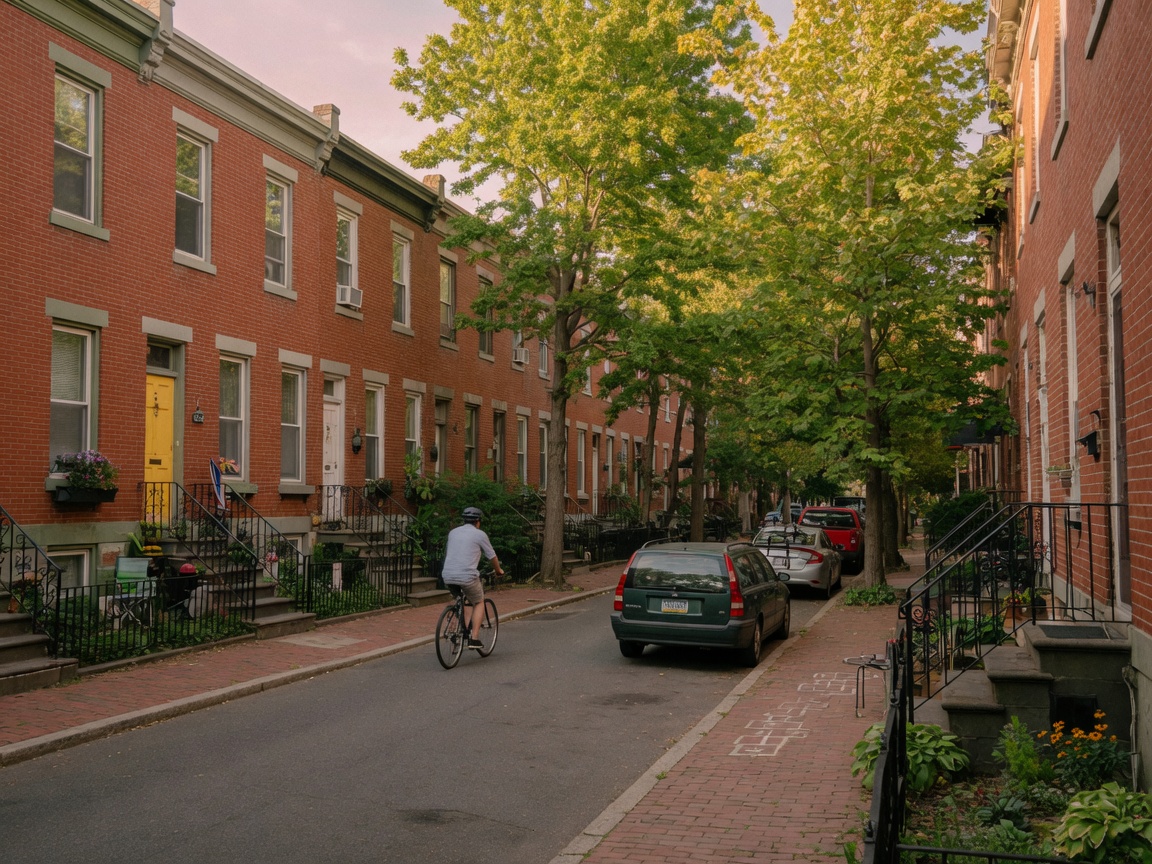
The housing stock in Fairmount is one of its strongest selling points. The neighborhood is dominated by classic Philadelphia rowhouses — predominantly brick, two to three stories, with the kind of solid construction that was standard in the late 19th and early 20th centuries. Many have been updated with modern interiors while retaining their original facades, which gives the streets a character that new construction rarely replicates.
The streets are tree-lined and well-maintained, with a consistent scale that gives Fairmount its village-like atmosphere. Unlike some Center City neighborhoods where high-rises loom over narrow streets, Fairmount's buildings rarely exceed three or four stories. The result is a neighborhood that feels open and residential — even the busier corridors like Girard Avenue and Pennsylvania Avenue have a human scale that makes walking pleasant.
As of mid-2026, the median home sale price in Fairmount sits around $399,000. That's competitive for a neighborhood with a Walk Score of 92, direct park access, and proximity to the Art Museum. Two-bedroom rowhouses typically list in the $350,000 to $450,000 range, while larger three-bedroom homes with modern renovations can reach the $500,000 to $650,000 range. For buyers who want a walkable Center City neighborhood without the Rittenhouse Square premium, Fairmount offers genuinely good value.
Fairmount Park: Your Backyard
If there's one feature that defines life in Fairmount, it's the park. Fairmount Park is the largest municipal park in the country — over 2,000 acres of trails, meadows, historic buildings, and riverfront green space that wraps around the Schuylkill River from the Art Museum all the way to Chestnut Hill. For Fairmount residents, this isn't a destination you drive to on weekends. It's the place you walk your dog before work, where you run your Saturday morning loop, and where your kids play soccer on a spring afternoon.
The Schuylkill River Trail runs through the park and is one of the most popular running and cycling paths in the city. On any given morning, you'll see joggers, cyclists, and walkers sharing the path in both directions. The trail connects Fairmount to Manayunk and the Wissahickon Valley Park to the northwest, and to Center City and the Convention Center to the southeast. It's a genuinely car-free commute option for people who live near the river.
Within the park, the Oràngery at Fairmount Park offers an escape that feels genuinely European — the historic 18th-century buildings, the manicured grounds, and the river views make it one of the most underappreciated spots in the city. The Memorial Hall, built for the 1876 Centennial Exposition, now houses the Please Touch Museum, which is a weekend institution for families with young children. And the Fairmount Park Horticulture Center hosts events, gardens, and greenhouses that are open year-round.
Eastern State Penitentiary
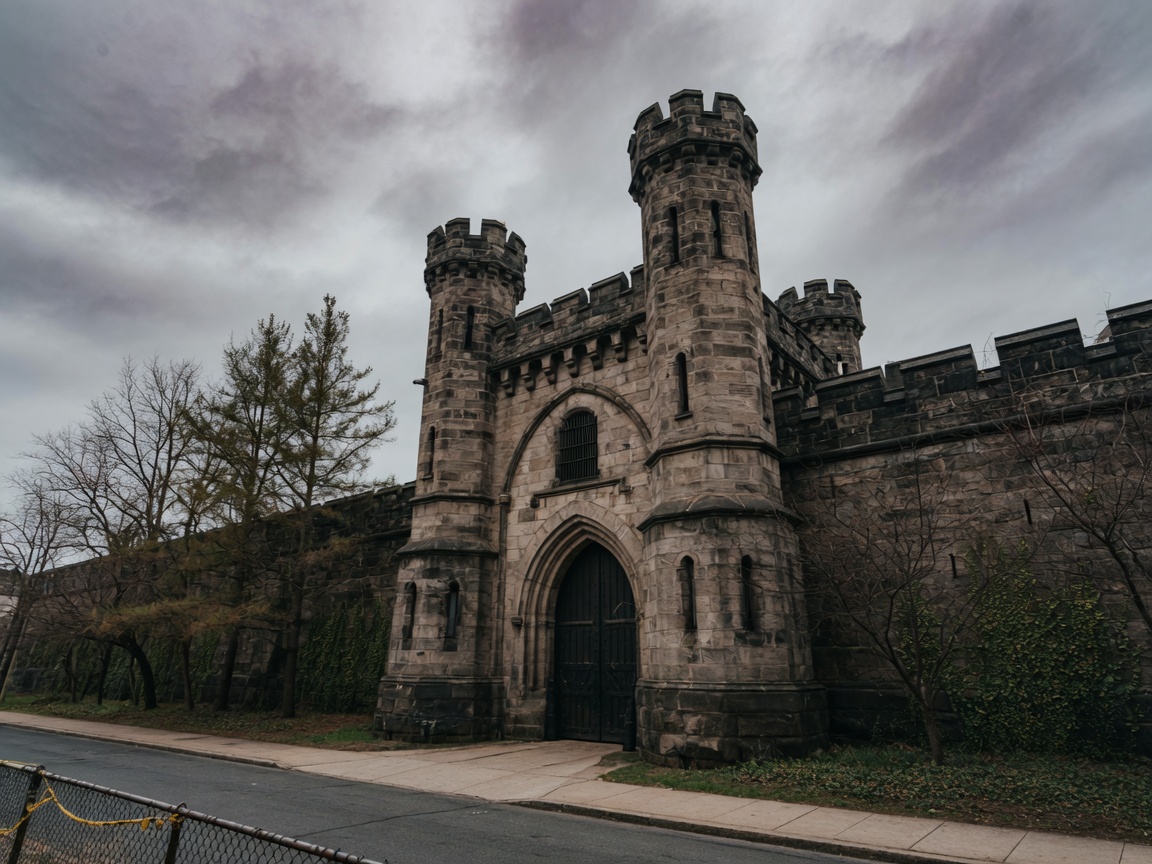
One of Fairmount's most distinctive landmarks is Eastern State Penitentiary, the imposing Gothic Revival fortress on Fairmount Avenue that operated as a prison from 1829 to 1971. Today it operates as a museum and historic site, and it's one of the most visited attractions in Philadelphia. The building itself — with its massive stone walls, cellblocks stretching into shadow, and crumbling guard towers — is a National Historic Landmark and one of the most architecturally significant penal institutions in the world.
For residents, Eastern State is both a cultural anchor and a daily landmark. The Saturday morning farmers' market that operates in its parking lot during growing season is one of the best in the city. The building hosts ScarFair, a Halloween experience that draws visitors from across the country. And the summer concert series and outdoor movie nights in the penitentiary's front yard are some of the most unique community events in Philadelphia. Living next to a former prison might sound unusual, but Eastern State has become such a cultural institution that it feels more like having a castle in your neighborhood than anything grim.
The Dining Scene
Fairmount's dining scene has matured significantly over the past decade, anchored by a mix of neighborhood institutions and newer arrivals that reflect the area's growing appeal. The corridor along Girard Avenue, which borders the neighborhood to the north, is the main dining artery, with options running from casual morning coffee to polished evening dining.
Sabrina's Cafe on Callowhill Street is a Fairmount institution — the kind of family-friendly brunch spot that has earned its reputation through consistent food, reasonable prices, and a welcoming atmosphere. The menu covers all the brunch staples without trying too hard, and the weekend wait is usually worth it. It's the neighborhood's unofficial living room.
For evening dining, Carib Brew Cafe brings Caribbean flavors to the neighborhood with a relaxed vibe and solid coffee. The area around Girard and Broad also supports several solid pizza spots, Mexican restaurants, and the kind of international dining options that come from a genuinely diverse neighborhood.
Brewerytown, which borders Fairmount to the north along the Girard Avenue corridor, has seen a significant influx of new restaurants in recent years, and Fairmount residents benefit from the proximity. The dining options along Brewerytown's stretch of Girard are expanding steadily, and the short walk from Fairmount means you get access to two neighborhoods' worth of restaurants without any of the hassle of driving and parking.
The Art Museum: More Than a Building
The Philadelphia Museum of Art isn't just a landmark — it's a lifestyle amenity. The museum's collection spans 2,000 years of art across galleries, period rooms, and architectural spaces that rival the Met and the Art Institute of Chicago. The Impressionist galleries, the Arms and Armor collection, and the recreated Japanese teahouse are genuine highlights that reward repeat visits.
But the Art Museum's value to Fairmount residents goes beyond the collection itself. The museum offers membership programs that make it practical to visit regularly — not as a special occasion, but as an ordinary Tuesday evening activity. The Rocky Steps in front of the museum serve as an informal gathering place, a running route, and one of the best viewpoints in the city. On a clear day, the view from the top of the steps — down the Benjamin Franklin Parkway toward City Hall — is one of those Philadelphia moments that reminds you why you live here.
The Benjamin Franklin Parkway
The Parkway is Fairmount's front door. This grand boulevard, modeled on the Champs-Élysées, connects the Art Museum to City Hall through a corridor of cultural institutions, public art, and tree-lined medians. Walking down the Parkway toward Center City, you pass the Barnes Foundation — one of the world's greatest collections of Impressionist and Post-Impressionist paintings — the Free Library of Philadelphia, the Cathedral of Saints Peter and Paul, and the Academy of Natural Sciences.
For Fairmount residents, the Parkway functions as a daily promenade — a wide, walkable route to Center City that makes the commute feel less like a chore and more like a stroll through a cultural corridor. The Parkway has also become a venue for major events, from the Philadelphia Marathon route to summer festivals and outdoor concerts, which gives the neighborhood an energy that intensifies at the best times of year.
What Day-to-Day Life Feels Like
Here's the thing that surprised me about Fairmount when I started spending real time there: it's quiet. Not suburban quiet — you can hear the city, and the traffic on the Parkway hums in the background — but residential quiet, in the way that a tree-lined block with well-maintained rowhouses tends to be. The neighborhood has a settled, comfortable quality. It's not chasing the next trend or trying to reinvent itself. The people who live here tend to stay, and that consistency gives Fairmount a rootedness that newer, more rapidly changing neighborhoods sometimes lack.
The daily rhythm is straightforward. Morning coffee at a neighborhood cafe. A walk through the park or along the river trail. Work — whether that's a short commute to Center City offices, a remote work setup in a home office, or one of the growing number of creative professionals who've chosen Fairmount for its combination of affordability and inspiration. Evening might mean dinner on Girard Avenue, a run up the Art Museum steps, or a weeknight visit to the Eastern State grounds.
For families, the calculus is especially favorable. The Please Touch Museum is right in the park. The playgrounds are well-maintained and within walking distance of most residential blocks. The public school options serve the neighborhood well, and several strong private and charter schools are accessible from the area. The park provides the kind of outdoor space that most urban families can only dream of — and for Fairmount residents, it's not a drive, it's a walk.
Getting Around
Fairmount is exceptionally well-connected. SEPTA's Broad Street Line has stations at Fairmount and Spring Garden, providing direct subway access to Center City, the Sports Complex, and South Philadelphia. The Bus Route 48 runs along Girard Avenue, connecting Fairmount to Brewerytown, North Philadelphia, and Fishtown. Multiple other bus routes serve the neighborhood's eastern edge along Broad Street and the Parkway.
By car, Fairmount offers relatively easy access to I-76 via the Vine Street Expressway, which connects to the Pennsylvania Turnpike and the suburbs. Parking in the neighborhood is manageable compared to some Center City areas — most residential streets have permit parking, and the density is lower than neighborhoods closer to the commercial core. The Schuylkill River Trail provides a genuine car-free commute option for anyone who works along the river corridor, and SEPTA's regional rail stations are accessible from Center City.
Is Fairmount Right for You?
Fairmount works best for people who want proximity to nature and culture without sacrificing urban convenience. It's ideal for professionals who work in Center City and want a walkable commute past the Art Museum. It's excellent for families who want park access, museum memberships, and a neighborhood that feels like a community rather than a transit stop. And it's a strong choice for anyone who values stability and character over flash and novelty.
What you won't find in Fairmount is the nightlife density of Fishtown or the luxury retail of Rittenhouse Square. The restaurant scene is solid but not extensive — you'll likely find yourself walking to Brewerytown, Center City, or Graduate Hospital for variety. The housing stock skews traditional, which means renovated homes with modern interiors are the norm rather than new construction with all the latest features.
But for the people who choose Fairmount, those trade-offs are part of the appeal. The neighborhood has an authenticity that's hard to manufacture — a mix of longtime residents and newer arrivals who chose Fairmount for the same reasons: the park, the museum, the walkability, and the sense that this is a real neighborhood in a city that still has plenty of them.
If you're exploring Fairmount as a potential home, I'd encourage you to spend a Saturday morning here. Walk up the Art Museum steps, then head west into the park along the river trail. Grab coffee at one of the neighborhood cafes, browse the Eastern State farmers' market, and walk the residential streets. Pay attention to the scale of the blocks, the quality of the light through the tree canopy, and the way the neighborhood feels both intimate and connected to something larger. That balance is what makes Fairmount special — and it's one of the reasons it's become one of the most consistently desirable neighborhoods in Philadelphia.
Thinking about buying or selling in Fairmount?
Whether you're exploring Fairmount as a potential home or you're a current homeowner curious about your property's value, I'd love to help. With 26 years of experience in the Philadelphia market, I can give you the honest, local perspective you need to make a confident decision.
With 26 years of experience in Philadelphia real estate, I help buyers and sellers navigate the city's neighborhoods with honest, local expertise. Licensed in PA (RS349905) and NJ (1969348).
Schedule a Consultation